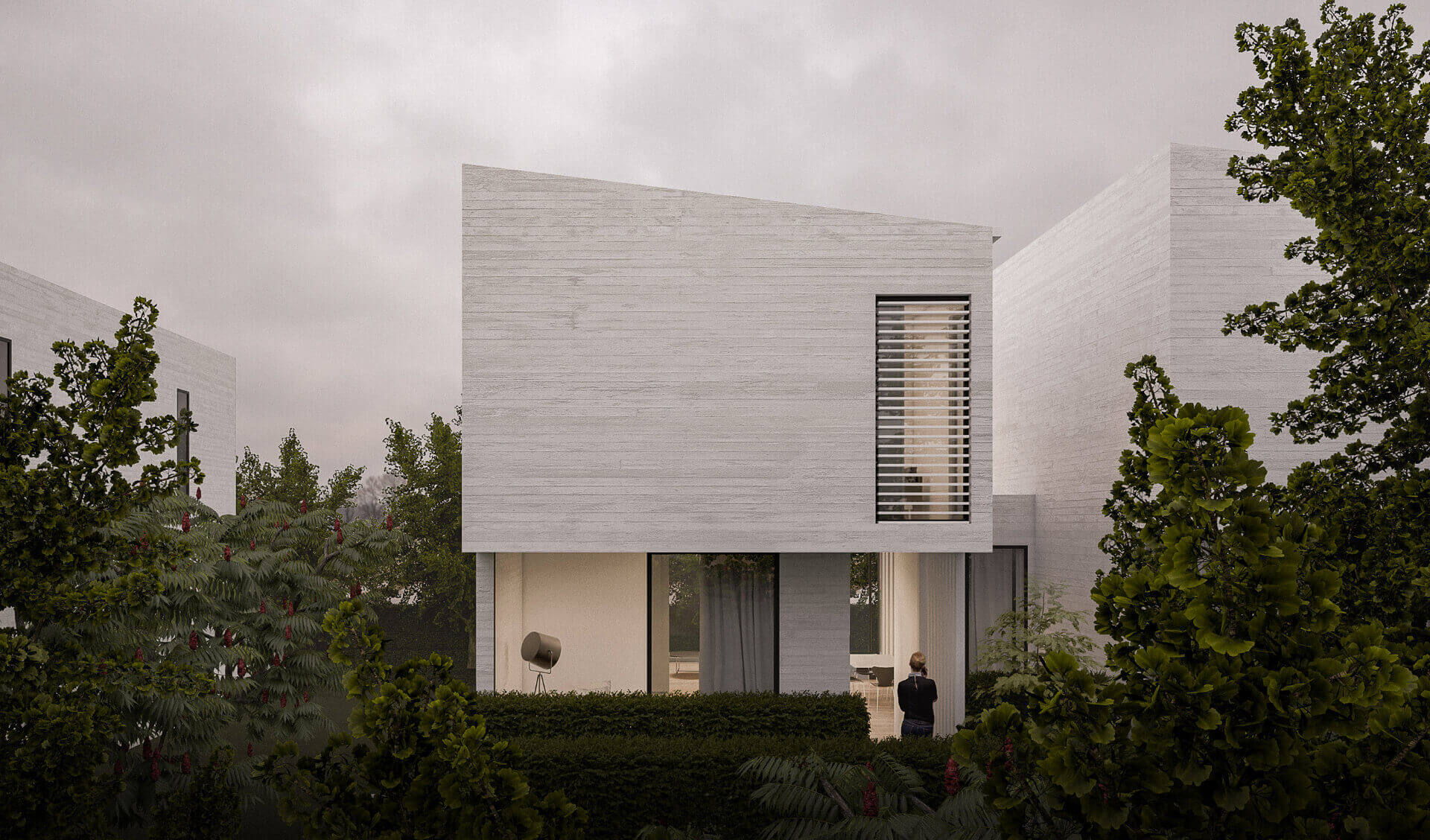
Postmodern architecture broke away from the strict minimalism of modernism by reintroducing color, symbolism, ornamentation, and playful forms. Instead of treating buildings as pure functional objects, postmodern design embraces personality—mixing classical references with contemporary materials and unexpected geometries.
For façade and glazing specialists, postmodern architecture creates unique challenges. Irregular shapes, non-standard window patterns, bold color schemes, and decorative elements often require custom engineering. Curtain walls may shift between curved and angular forms, glass modules may vary in size or texture, and transitions between materials must be carefully developed to maintain performance and visual consistency.
In the shop-drawing phase, postmodern design demands exceptional clarity. Details for complex intersections, layered façades, custom trims, and sculptural sunshade elements must be coordinated early. When executed well, the result is a façade that captures both the artistic vision and the technical performance required by today’s building standards.